Recent Acquisitions
Check here for regular updates on the Custom House's collection.
The collections at the Custom House consists of objects, archives, photographs, and a small library. The earliest items date back to around 12,000 BCE through to the 21st century. Hover over each image for more information.
For information on donating to the collection, click here.
For research inquiries, click here.
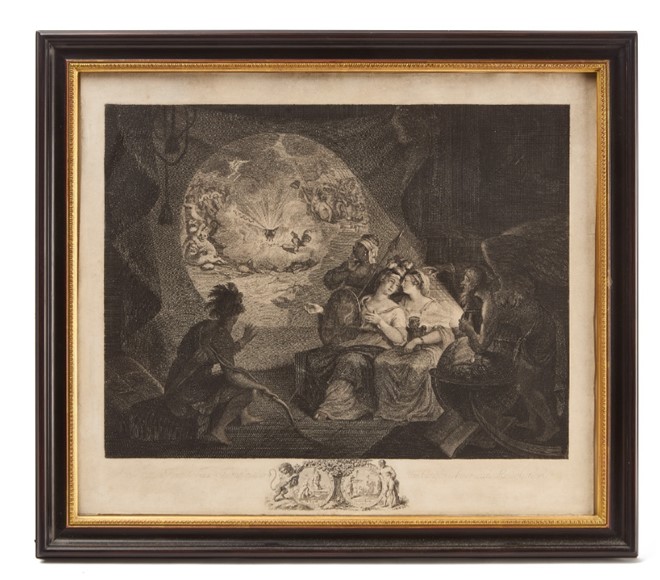
The Tea-Tax-Tempest or the Anglo-American Revolution Carl Gottlieb Guttenberg (German, 1743-1790) 1778.
The Tea-Tax-Tempest or the Anglo-American Revolution Carl Gottlieb Guttenberg (German, 1743-1790) 1778.
Engraving on paper.
This allegorical scene depicts a representation of Father Time projecting a magic lantern scene to a group of women, each representing America, Africa, Asia, and Europe. Magic lantern shows, which were done with what was essentially a slide projector, were a very popular form of entertainment in the eighteenth and early nineteenth centuries.
The projected image depicts a representation of the start of the American Revolution. The trouble seems to spring out of the teapot at the center of the image, suggesting that the infamous “Tea Tax” is the root of the revolution. The rooster next to the teapot symbolizes France, fanning the flames of the revolution.
Acquired by the museum in 2026.
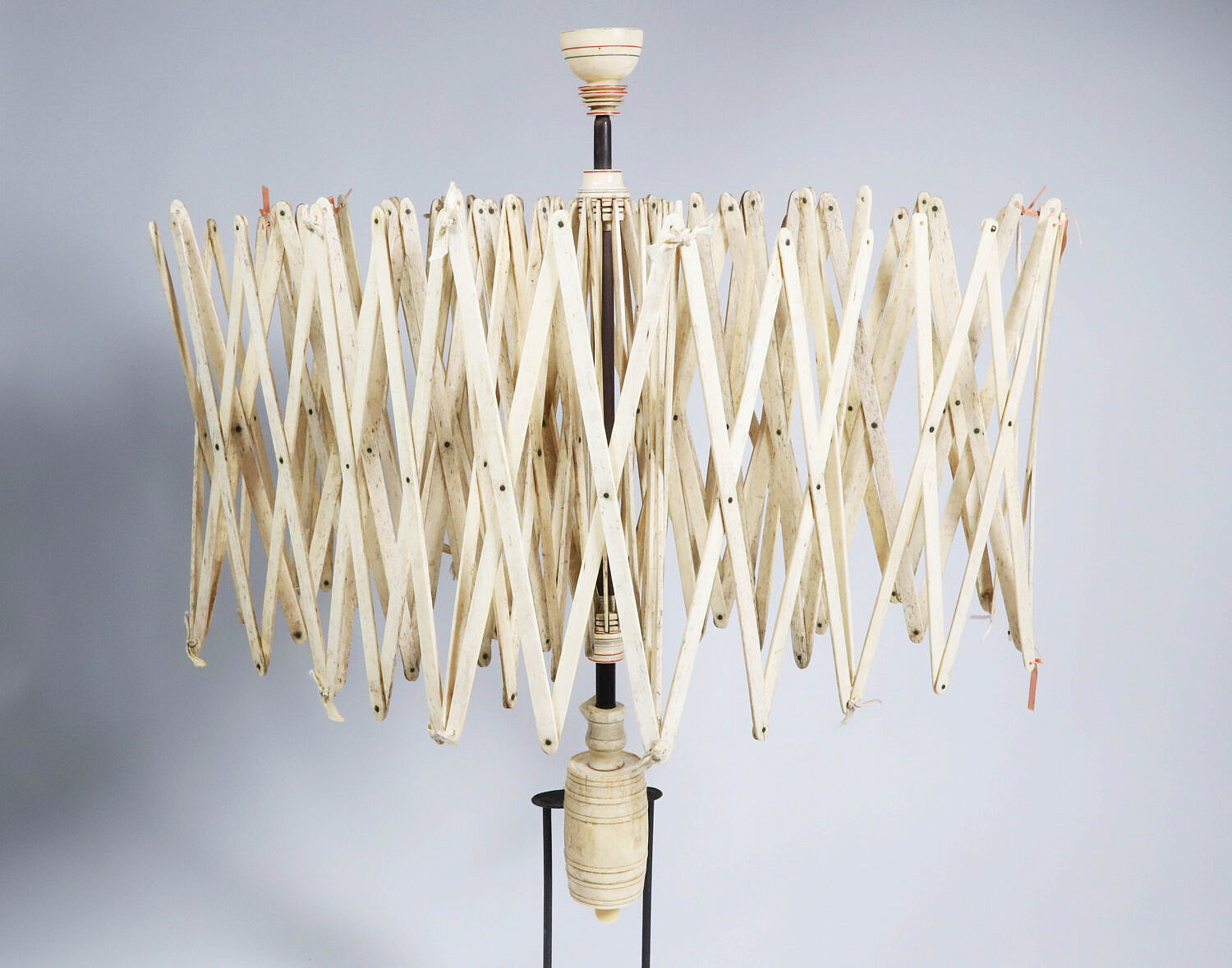
Inlaid Whale Ivory Pie Crimper
Nantucket Whaleman Made Swift, 19th Century.
Antique whale ivory and whale bone, the yarn cup with red and green scribe lines and deeply carved rings above a large cage, supported by a barrel clamp, 140 bone ribs.
Acquired by the CHMM in 2025.
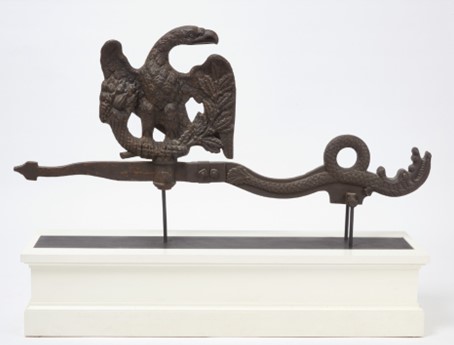
Columbian Printing Press Lever George Clymer (American, 1793-1813) ca. 1813 Cast iron.
Columbian Printing Press Lever George Clymer (American, 1793-1813) ca. 1813.
Cast iron.
The Columbian press was one of the first iron printing presses. It was invented by George Clymer in 1813. The counterbalance lever on a press offsets the weight of the heavy press mechanism. This allowed for easier and quicker operation and reduced the operator’s fatigue when raising the mechanism.
The eagle is the primary weight on the counterbalance lever. It is also symbolic, with the eagle clutching an olive branch and a cornucopia, representing peace and prosperity. A serpent is seen on the other end of the press, representing wisdom.
Acquired by the museum in 2026.

Exquisitely Carved Baleen Pointer. 19th century.
Exquisitely Carved Baleen Pointer. 19th century.
Shepherd's crook handle. Shaft with five twist-carved sections. Nickel tip.
Acquired by the CHMM in 2025.
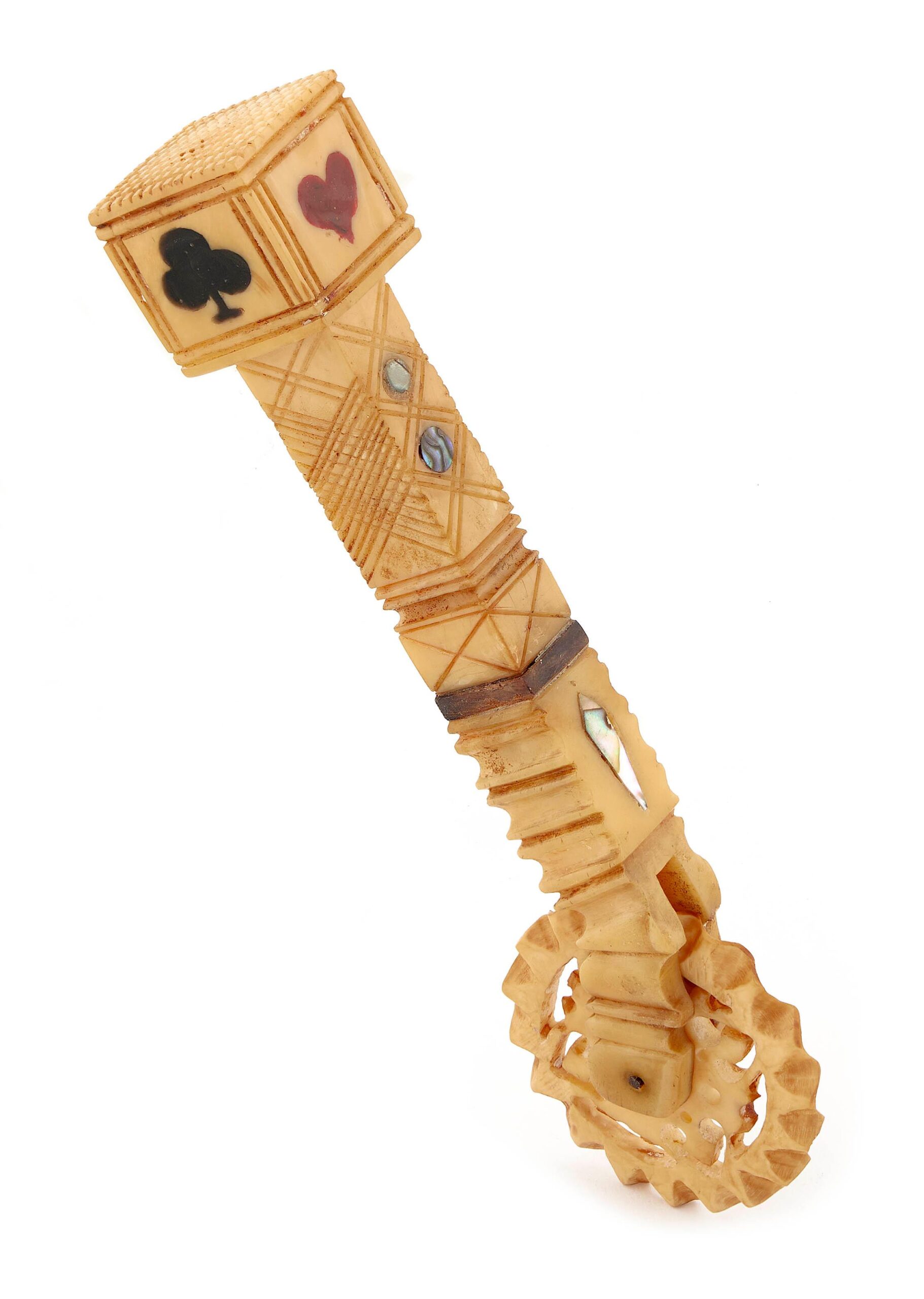
Inlaid Whale Ivory Pie Crimper
INLAID WHALE IVORY PIE CRIMPER. 19th century.
Cubical terminal inlaid with red and black sealing wax card suit symbols. Square handle with crosshatched and stepped carvings, a medial baleen band, and mother-of-pearl inlay. Delicately pierced wheel with serrated rim.
Acquired by the CHMM 2025.
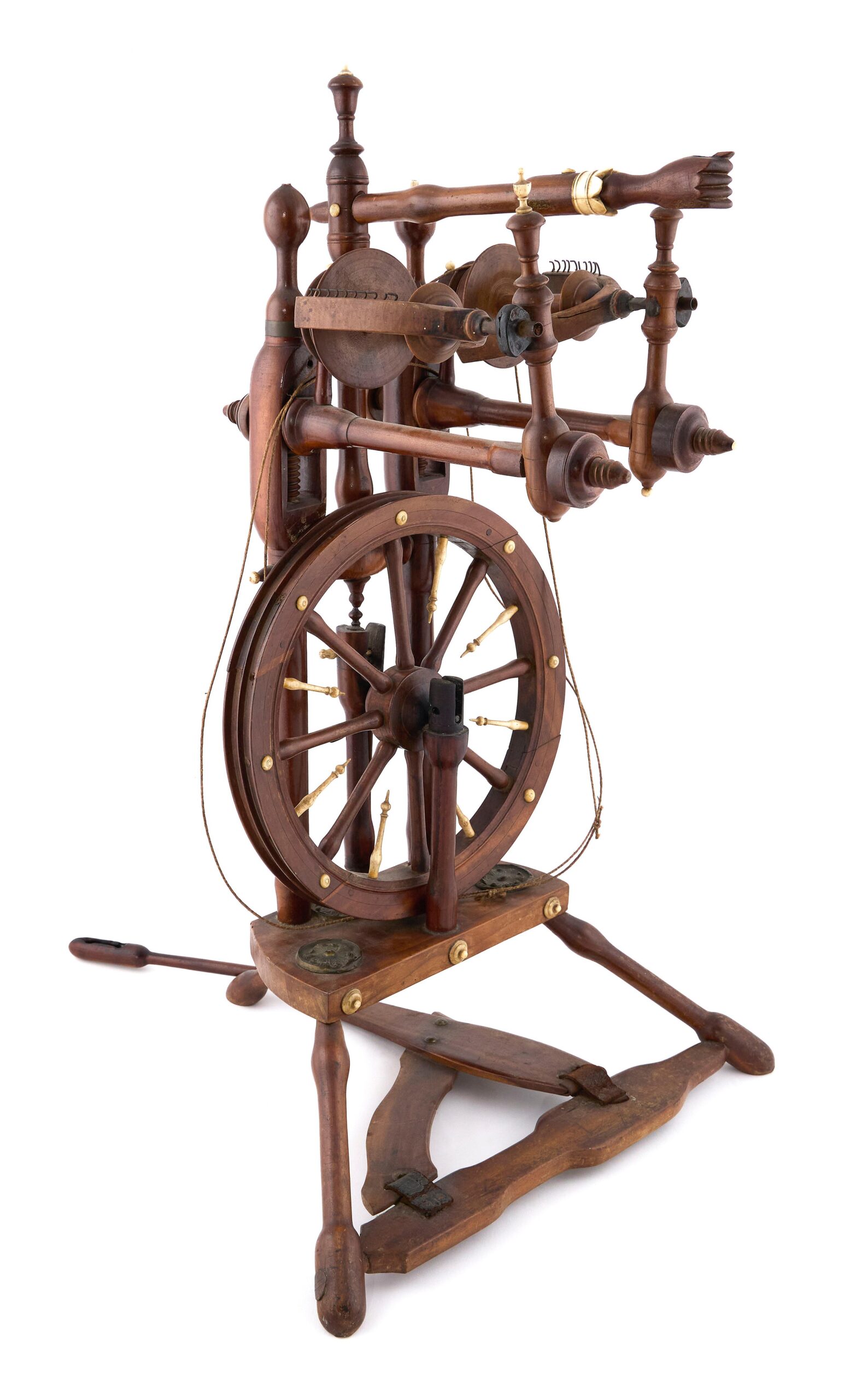
Sailor Made Double Yarn Winder.
SAILOR-MADE DOUBLE YARN WINDER.
19th century. Together with a horn ditty box. Rosewood yarn winder with bone appliques, carved clenched fist handle, and a tripod base.
Acquired by the CHMM in 2025.
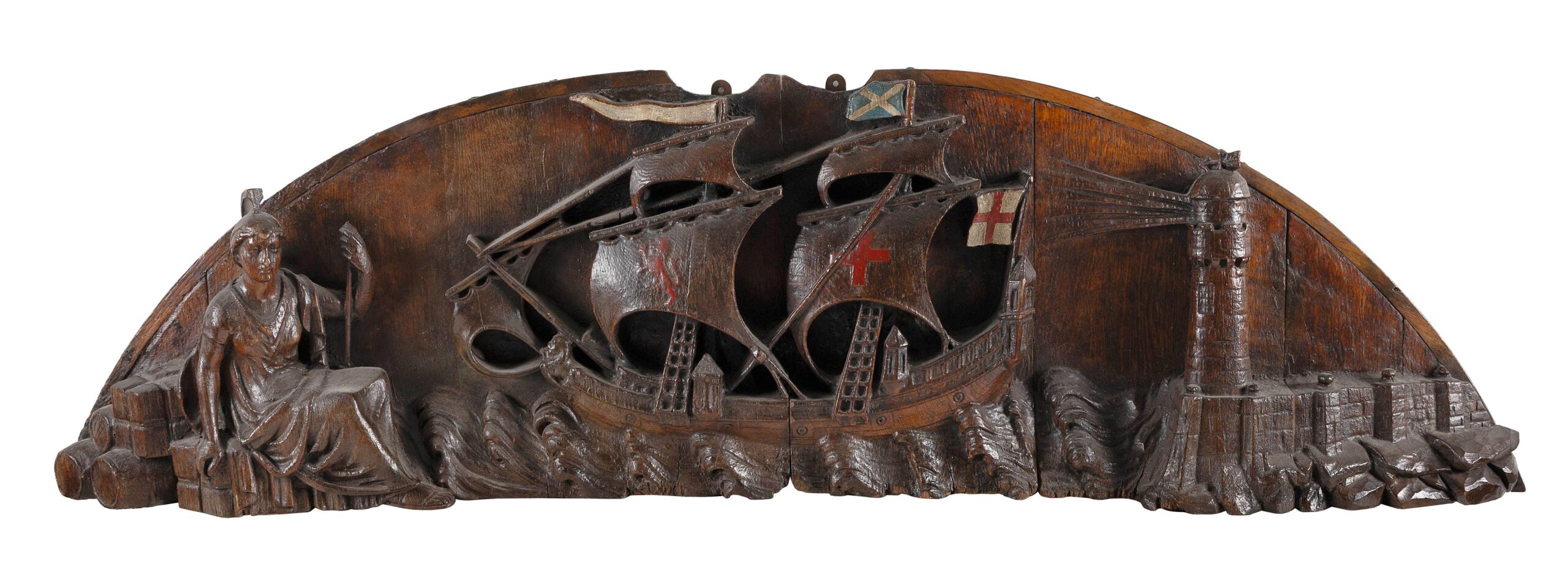
Carved wooden panel. 19th century.
Carved wooden panel. 19th century.
Thought to depict Athena on the left, a Scottish ship at center, and Kyleakin Light on the Isle of Skye.
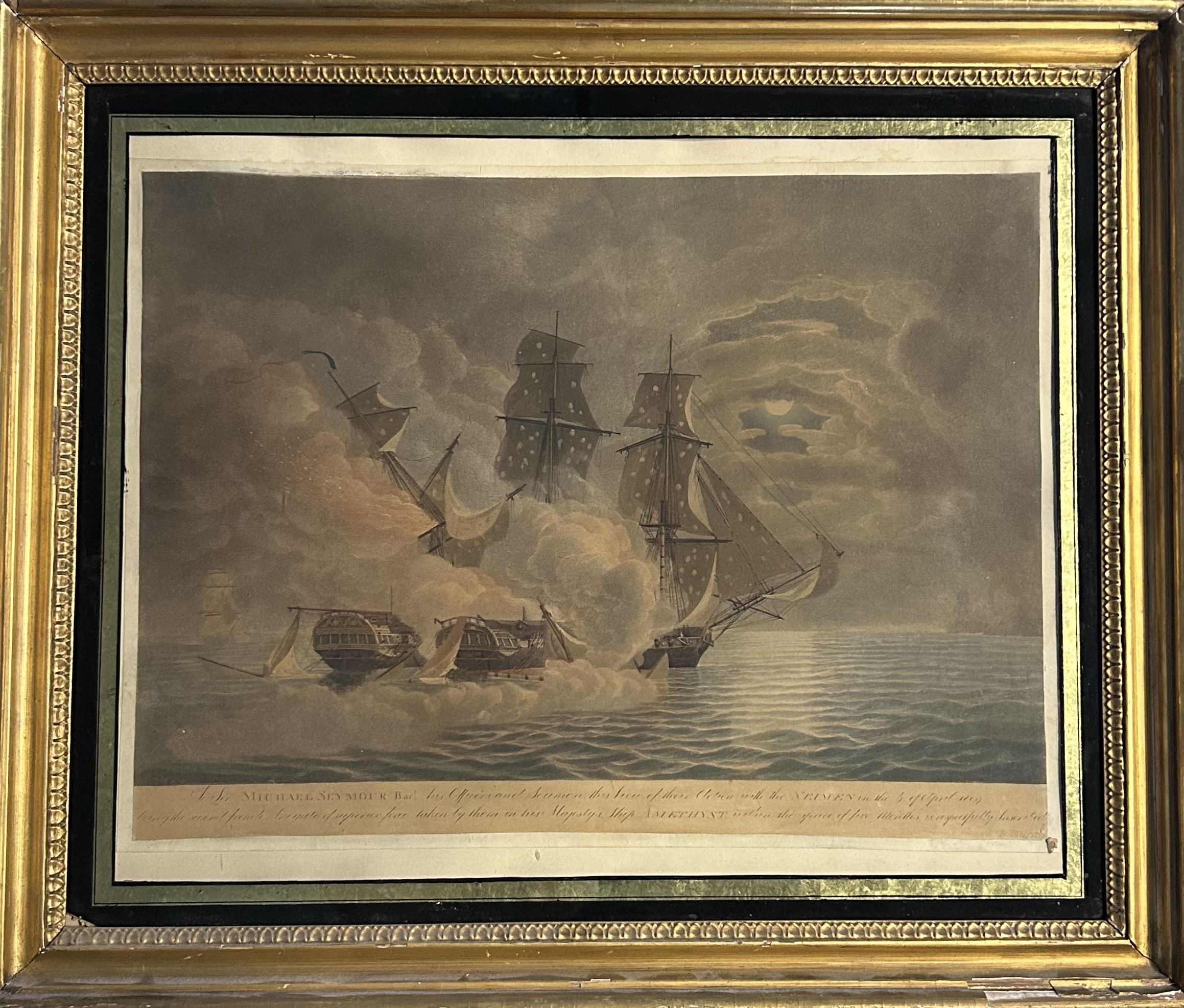
Action of 6 April 1809 Robert Dodd (England, 1748-1815) After 1809 Engraving
Action of 6 April 1809, Robert Dodd (England, 1748-1815).
After 1809, Engraving.
The action of 6 April 1809 was a naval battle between the French Niémen and several British frigates, specifically the HMS Amethyst. The battle was part of the blockade of Brest, France, during the Napoleonic Wars (1803-1815).
British strategy during the wars was to blockade French ports from international trade and prevent food and military supplies from reaching France. British ships were vigilant in patrolling the French coastline, attacking any ships trying to enter or leave French ports.
Despite this, French ships still tried to evade British ships. Niémen was attempting to bring supplies to French squadrons around Mauritius. Avoiding contact with the British ships on patrol was crucial. In this case, HMS Amethyst and HMS Emerald were on watch and specifically tasked with capturing Niémen.
Niémen was spotted immediately on the night of April 5th, and the battle began on the morning of April 6th. Both ships were severely damaged and suffered heavy casualties. With the arrival of another British frigate - the HMS Arethusa - Niémen was outnumbered, and the battle finally came to an end.
Donated by the estate of Peter Hickey, 2025
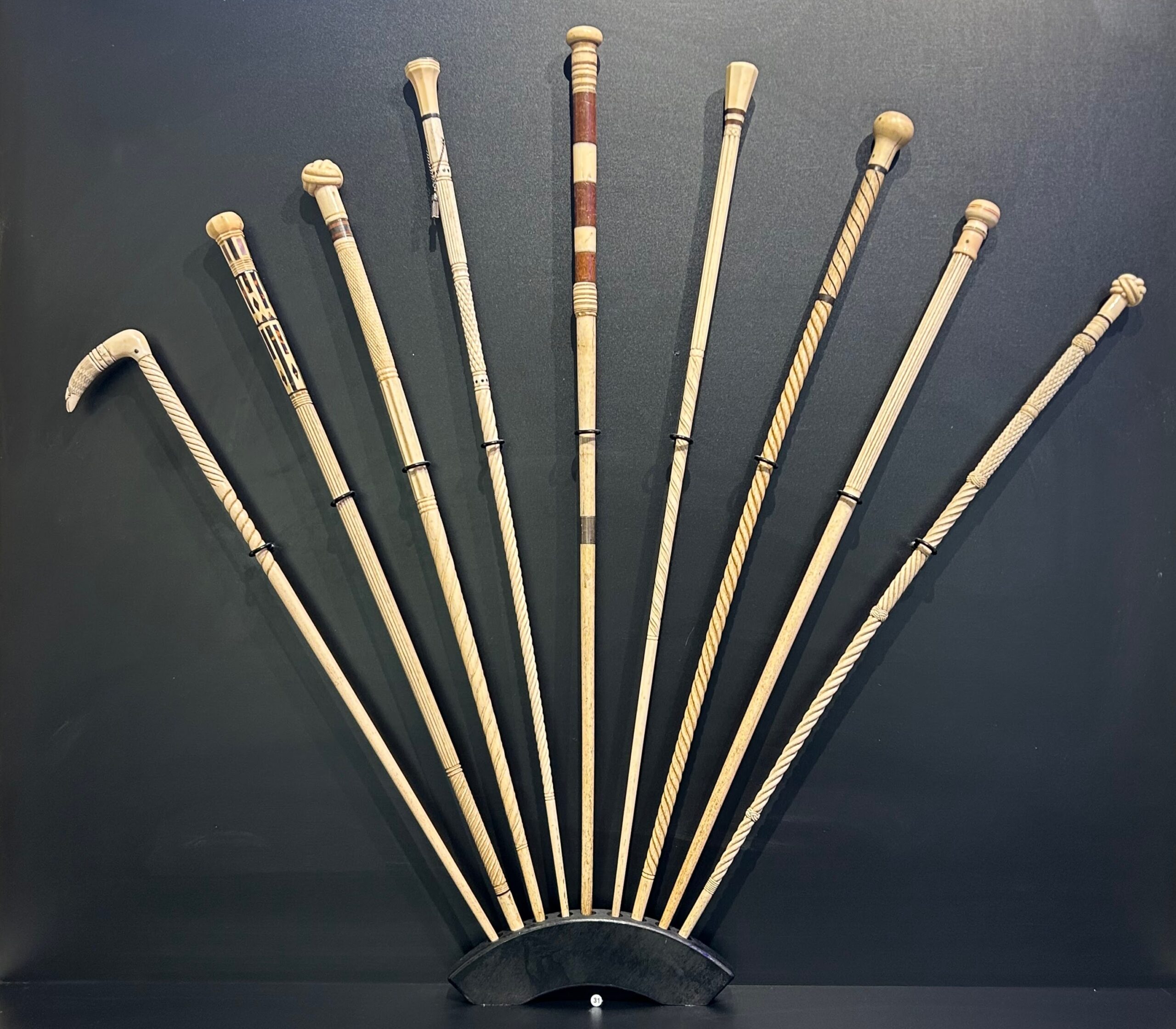
Collection of carved whale bone and whale ivory canes.
Collection of carved whale bone and whale ivory canes.
Cane second from the left has tortoise shell inlay. Cane fourth from the left has sterling silver and baleen decorations on the handle.
The center cane has walnut inlay. Cane on the far right and canes third and fourth from the right have baleen inlay.
Cane on the far left is currently on loan from a private collector.

Whale bone busk. 19th century.
Whale bone busk. 19th century.
Depicts a flowering plant in a harlequin-patterned pot, two differing eight-pointed stars, a heart and geometric patterns. Images separated by barber pole borders. Thin line border around the perimeter. Rounded cut-corner top.
Acquired by the CHMM in 2025.
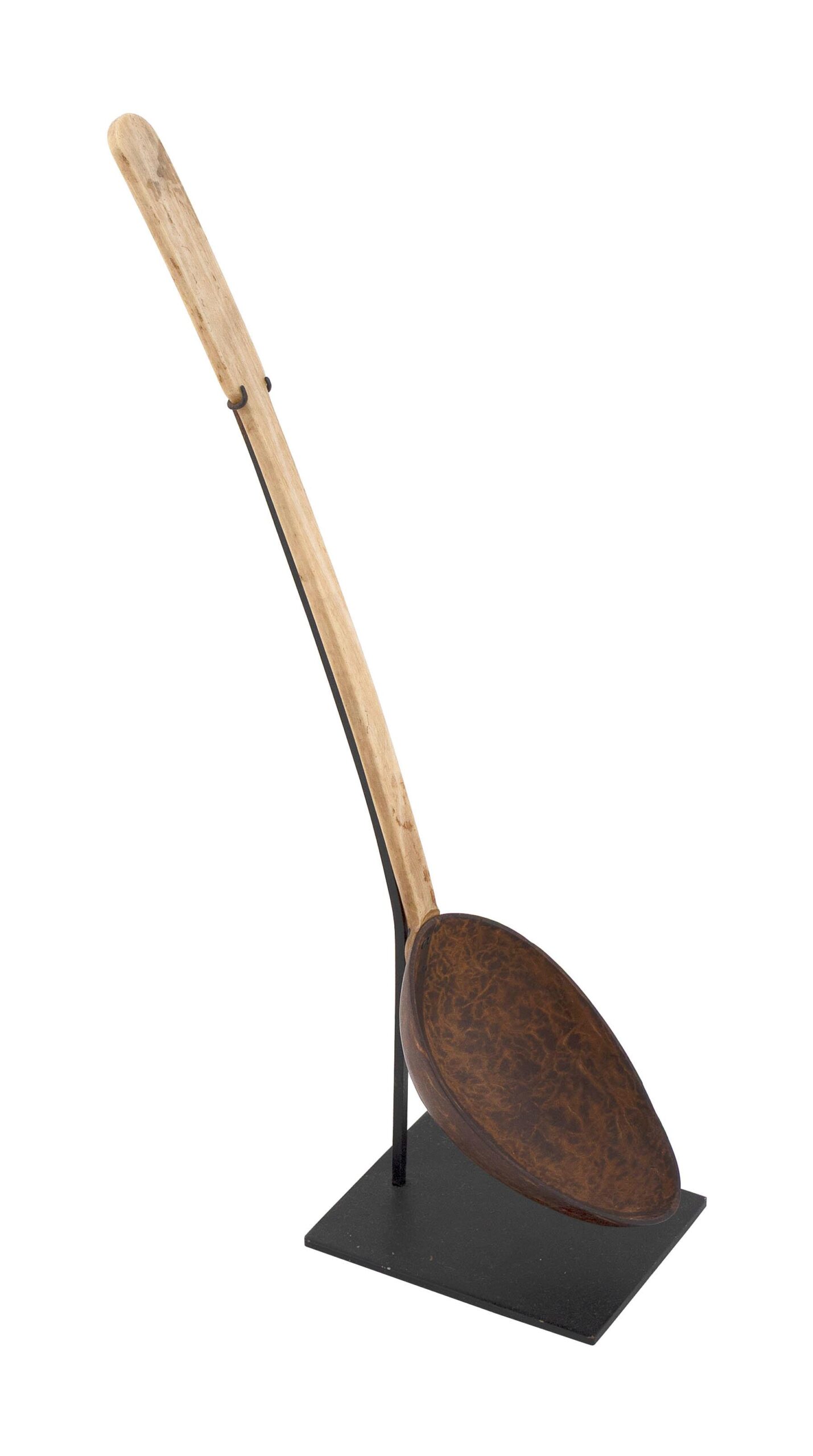
Whaleman-made serving spoon. 19th century.
Whaleman-made serving spoon. 19th century.
The handle is carved from whale bone, and the bowl of the spoon is a polished coconut shell.
Acquired by the CHMM in 2025.

Busk, 19th century.
Busk, 19th century.
A sawtooth border encloses five hex patterns as well as a leafy plant, a cross, a three-lobed heart, and a vacant panel near the base. Images separated by assorted borders and flanked by leafy sprigs. Lobed top.
Acquired by the CHMM in 2025.
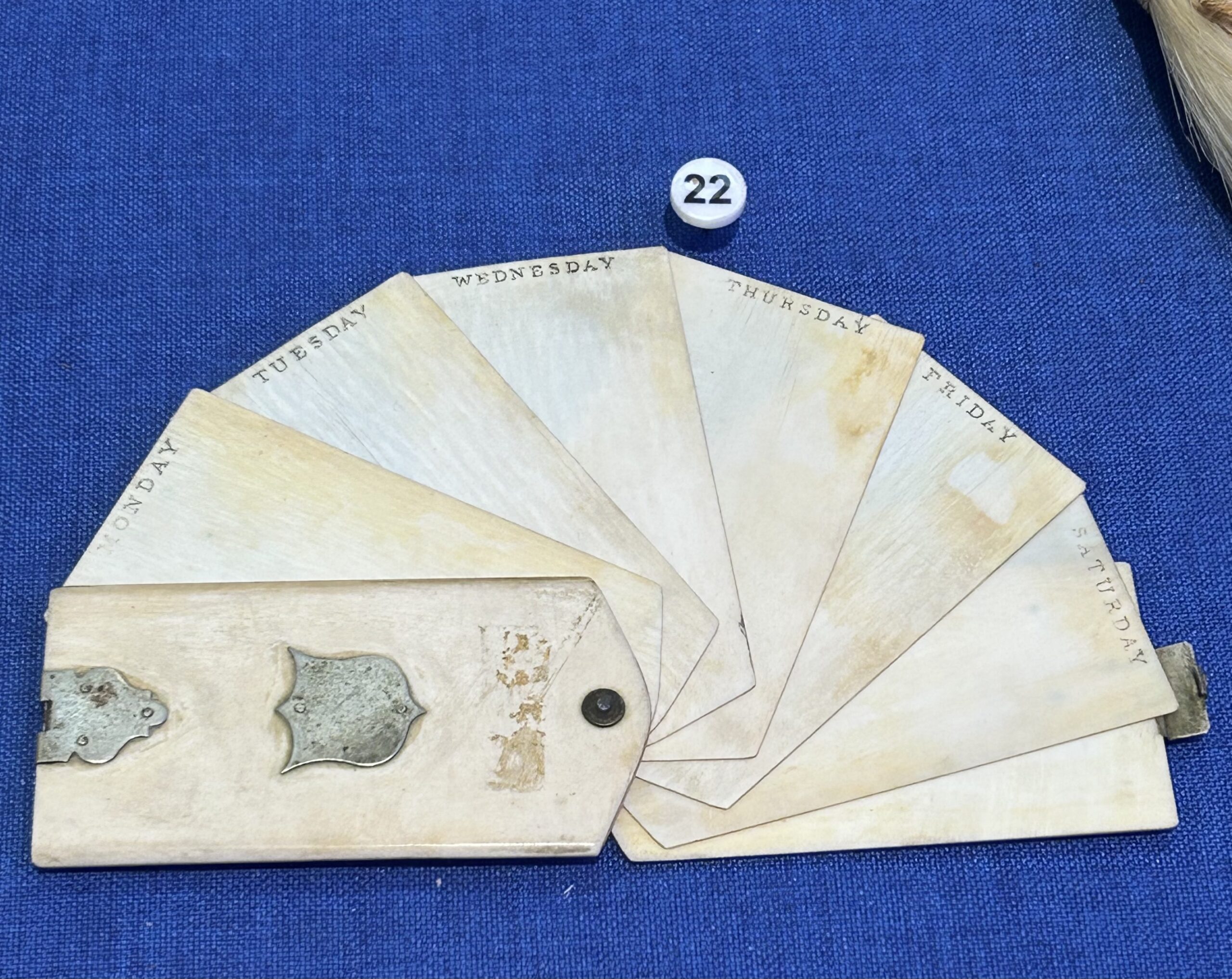
Whale bone weekly calendar.
Whale bone weekly calendar. 19th century.
These calendars typically hung from a lady’s chatelaine along with other useful tools like scissors, thimbles, keys, etc. Notes were written in pencil and then wiped away with a damp cloth.
Gift of the estate of Peter Hickey, 2025.
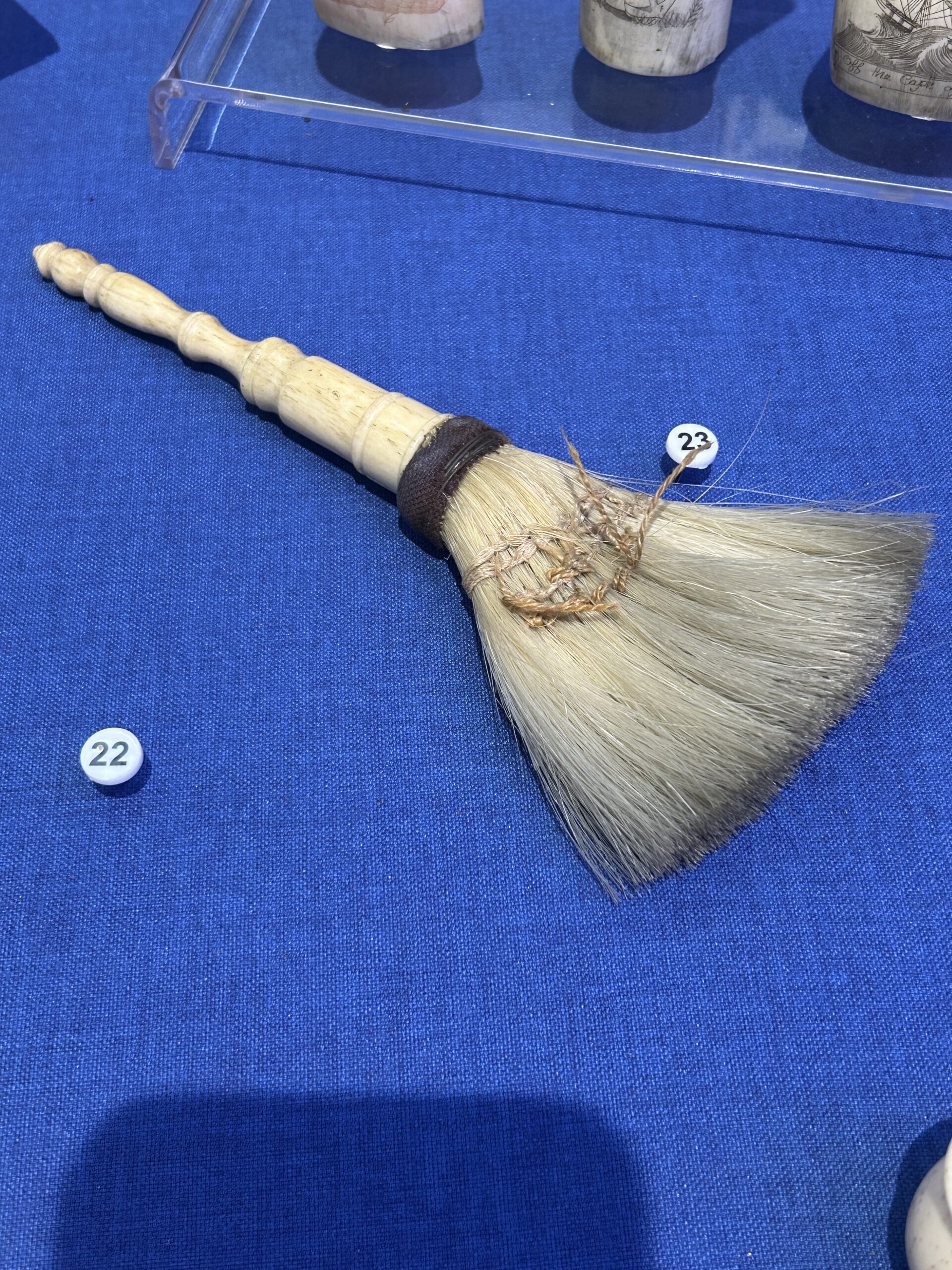
Horsehair and whale bone crumb brush.
Whale bone fid. 19th century.
Horsehair and whale bone crumb brush. 19th century.
This brush would have been used to sweep crumbs and debris from tablecloths during formal dinner service without disrupting diners.
Gift of the estate of Peter Hickey, 2025.
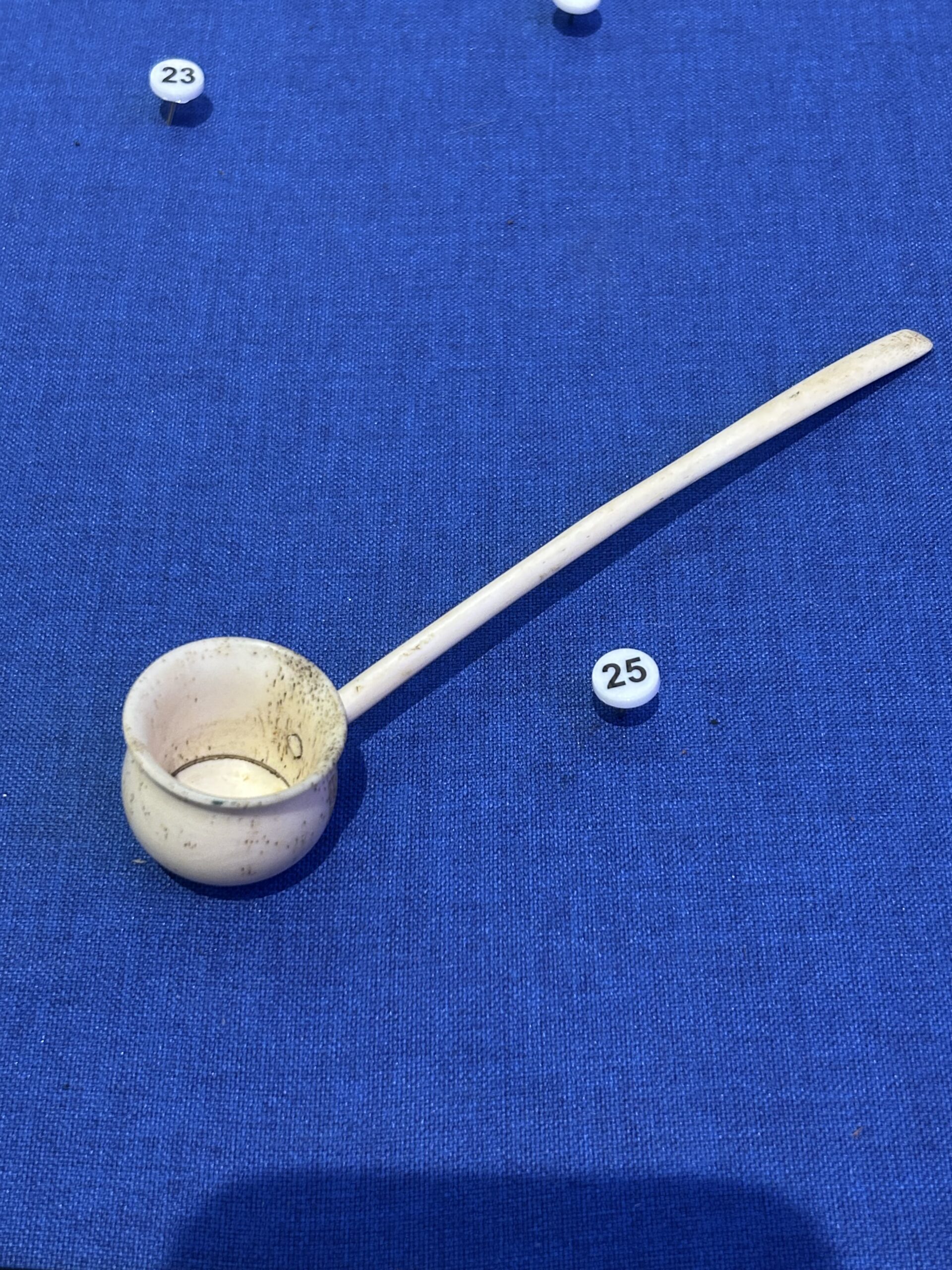
Whale bone toddy ladle.
Whale bone toddy ladle.
Late 18th-early 19th century. This specialized ladle was used to serve hot toddy - a mixture of whisky, hot water, sugar, lemon, and spices - from a central bowl in individual glasses. Toddy was particularly popular in Scotland for warming up during colder months.
Gift of the estate of Peter Hickey, 2025.
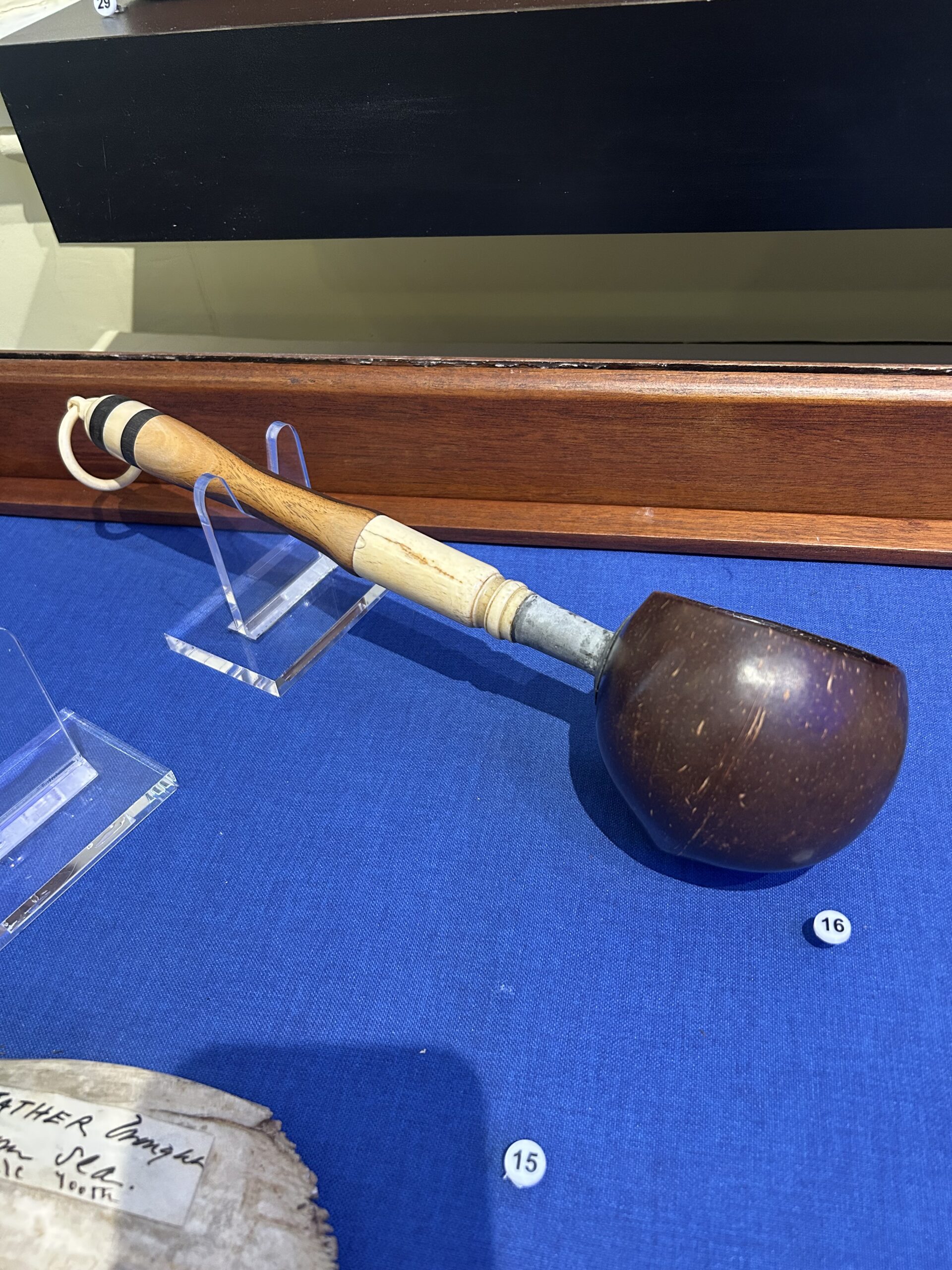
Whalerman-made coconut shell rum dipper with whale bone, ivory, and wooden handle.
Whalerman-made coconut shell rum dipper with whale bone, ivory, and wooden handle.
19th century. Gift of the estate of Peter Hickey, 2025.
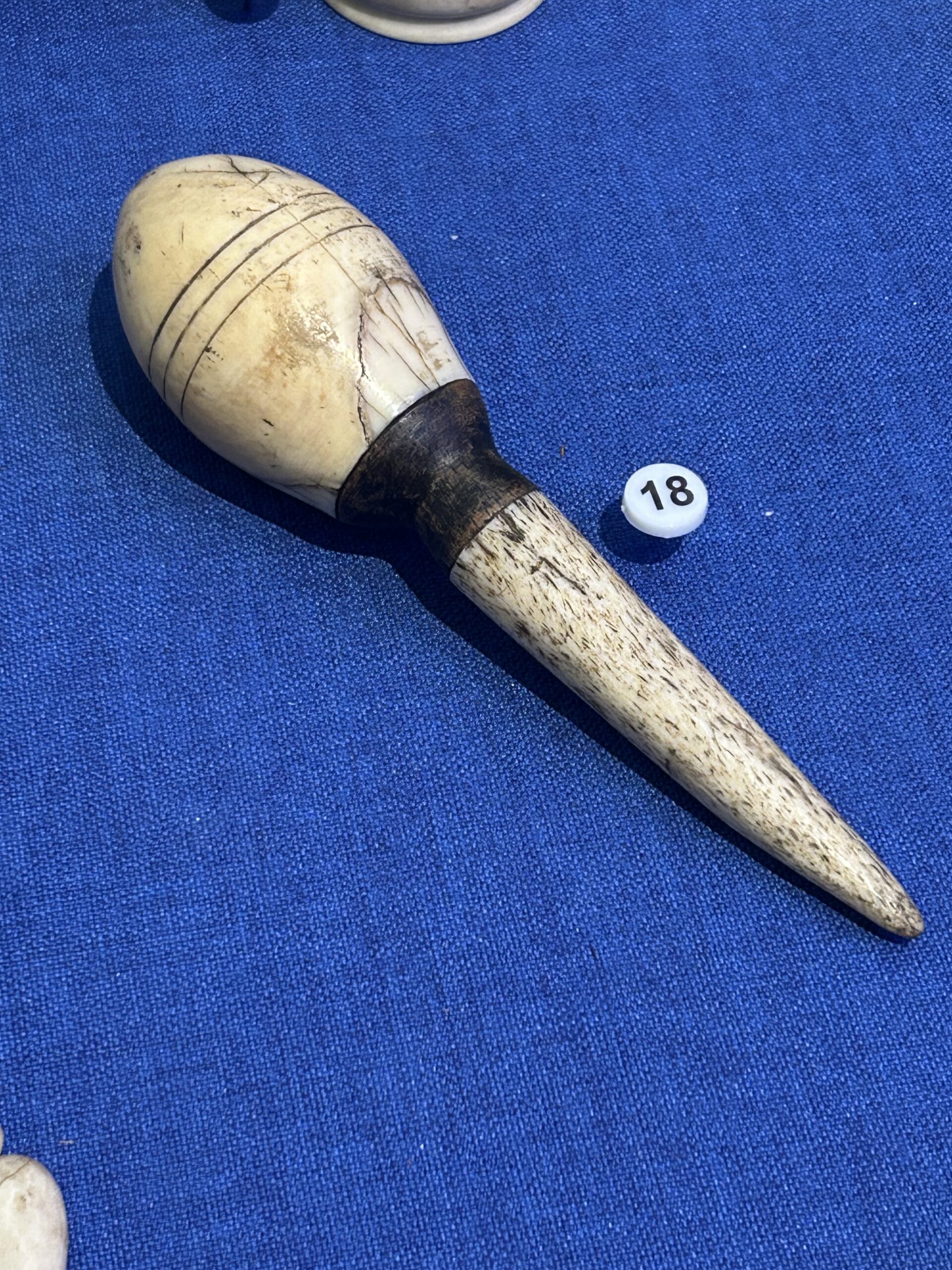
Whale bone fid. 19th century.
Whale bone fid. 19th century.
Whale bone fid. 19th century. A fid was used to separate the strands of rope, loosen stubborn knots, and create holes in sails and canvas for threading rope.
Gift of the estate of Peter Hickey, 2025.
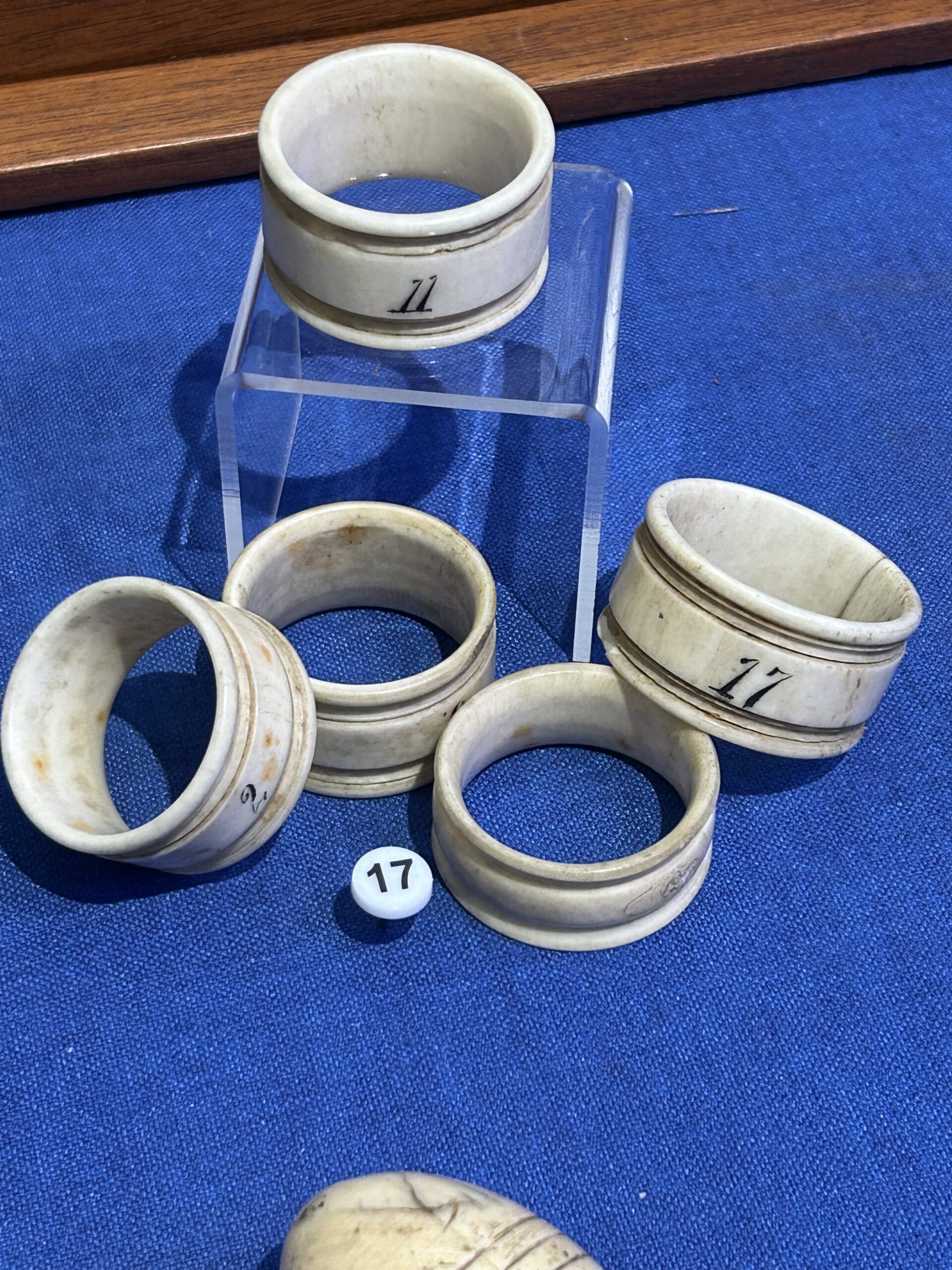
Turned whale bone napkin rings.
Turned whale bone napkin rings. 19th century. Sailors would often make practical items out of durable whale bone to give to loved ones back home.
Gift of the estate of Peter Hickey, 2025.
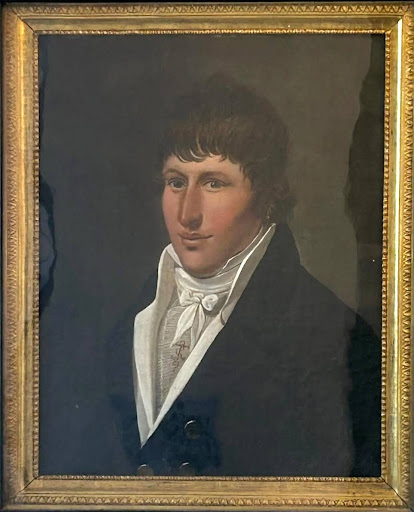
Portrait of Jonathan Lowell
Portrait of Jonathan Lowell
Oil on canvas by Charles Delin (Holland, 1756 - 1818).
c. 1805
Jonathan Lowell (1787-1815) was the only son of Amesbury boat builder David Lowell (1757-1854). Following a brief maritime career (ca. 1802-1807), young Lowell partnered with his father in the latter’s boat building business, “David Lowell & Son.”
In 1814 Jonathan, recently married but still childless, volunteered for service on the privateer Mars out of Portsmouth, NH. The ship set sail in January 1815 and was never heard from again. The portrait remained with David Lowell until he died at age 97.
This portrait is especially remarkable because it retains the original shipping case. Often, Delin and other "port painters" would paint the captains as they came into port. However, they typically did not have time to let the paint dry completely. Portraits would be placed in a wooden box behind glass to protect in on the journey home and then removed from the case to be hung.
Gift of Timothy Kendall
Portrait of Capt. William Graves, Sr
Portrait of Capt. William Graves, Sr
Oil on canvas by Charles Delin (Holland, 1756 - 1818).
c. 1811
William was born in Salisbury, Massachusetts in 1785. He was a captain who commanded at least 18 vessels, including the brig Henry which he took command of at the age of 18.
He married Mary Anne Pike in 1809. After her death in 1817, William married her sister Susannah and they had three children. William moved his family to Newburyport in the mid 1820s, and died on May 27th 1851.
Gift of Timothy Kendall
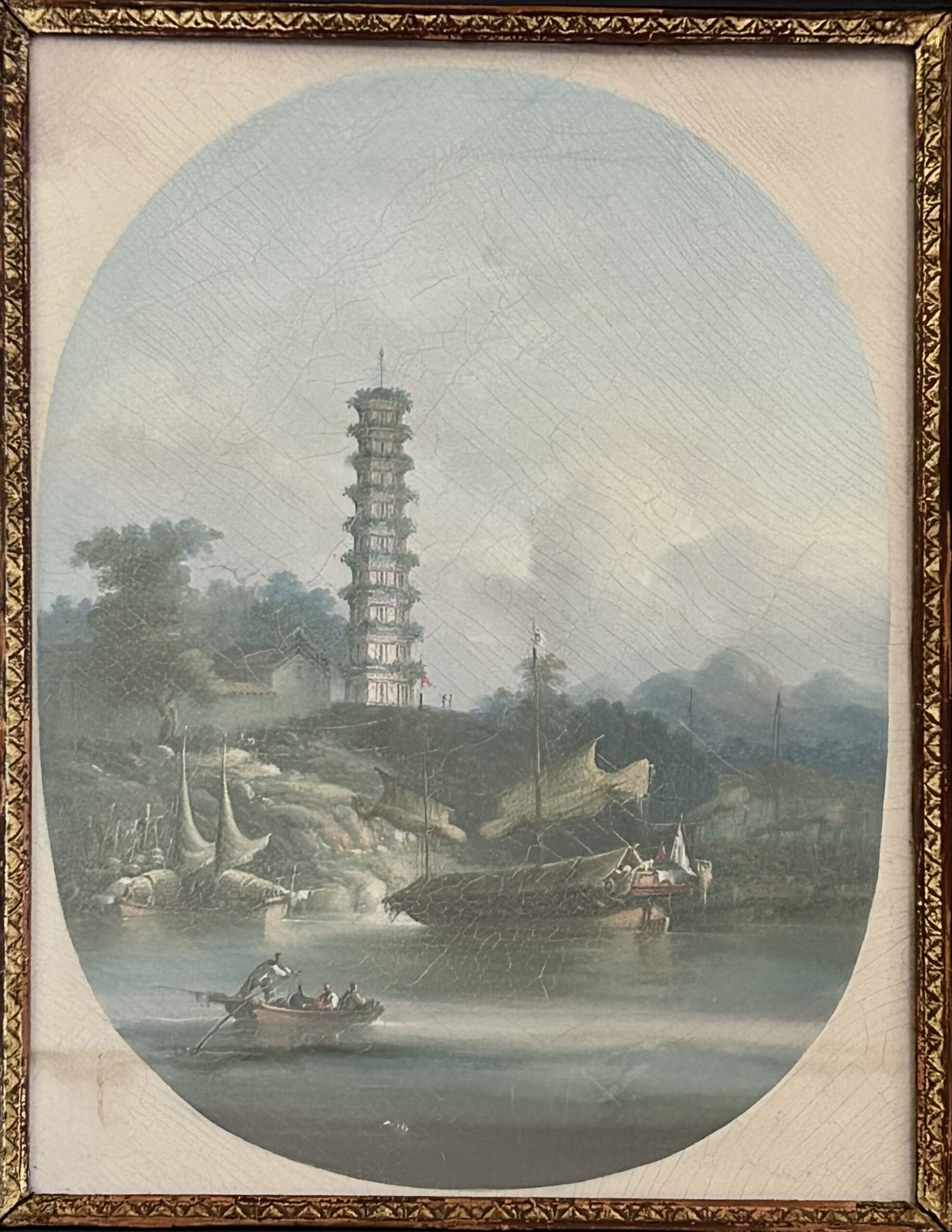
Painting of the Pazhou Pagoda at Whampoa Island on the Pearl River leading to Canton
Painting of the Pazhou Pagoda
Attributed to Chinese artist Namcheong.
c. early 19th C
This painting was brought back from Canton by Capt. William Graves, Jr. aboard the Salem bark Cynthia in 1836-1837 or the Salem ship Thomas Perkins between 1838 and 1845.
Gift of Timothy Kendall
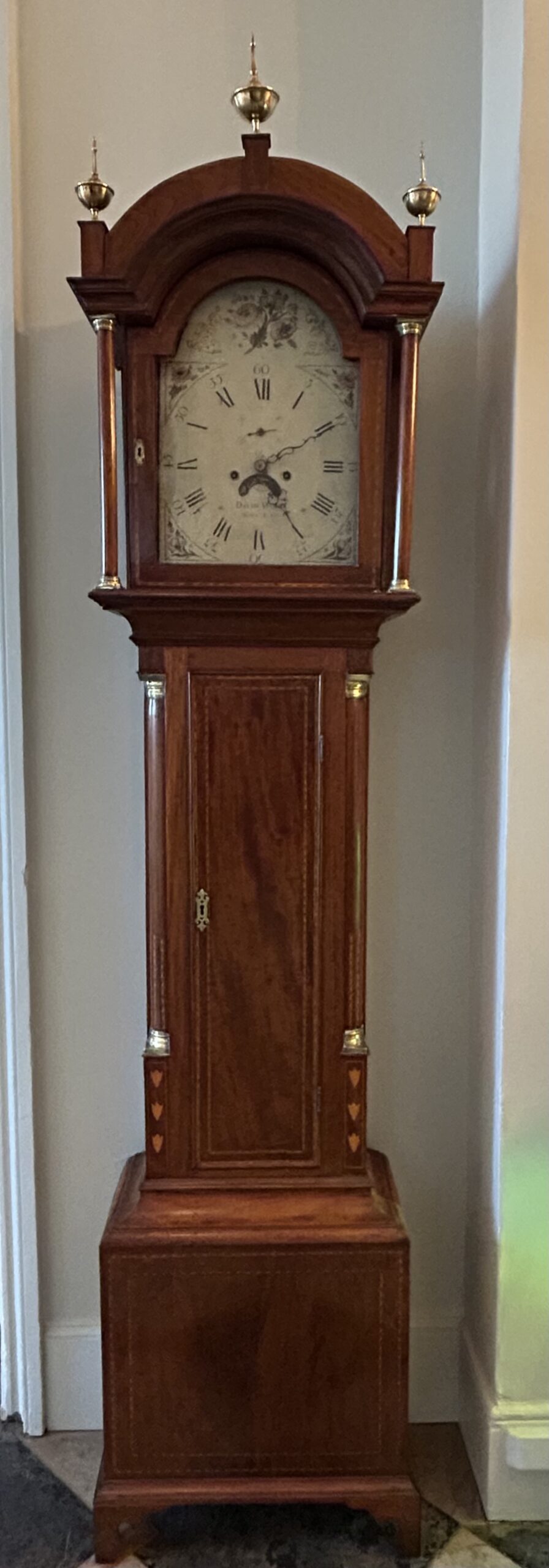
Tall Clock
ca. 1815
Tall Clock
David Wood, Newburyport clockmaker
ca. 1815
David Wood was born in Newburyport on July 5, 1766. It is generally believed that he may have been apprenticed to either Daniel Balch Sr. or to one of the members of the Mulliken family (also accomplished clockmakers).
On June 13, 1792, Wood advertised that he had set up a shop in Market Square, near Reverend Andrews’ Meeting House. In 1818, Wood and Abel Moulton, a local silversmith) moved into a shop formerly occupied by Thomas H. Balch. In 1824, Wood advertised that he had moved to the west side of Market Square opposite the Market House.
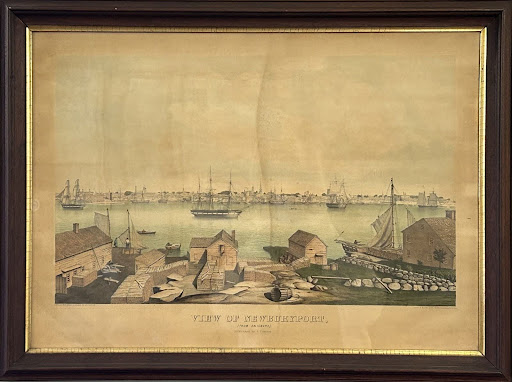
"View of Newburyport from Salisbury” by Fitz Henry Lane
“View of Newburyport from Salisbury”
Fitz Henry Lane
c. 1846
Color lithograph
This lithograph shows Newburyport as it looked in 1846 from across the Merrimack River in Salisbury, with an extraordinary level of detail. The artist, Fitz Henry Lane, was known for his detailed treatment of port city skylines.
Gift of Timothy Kendall
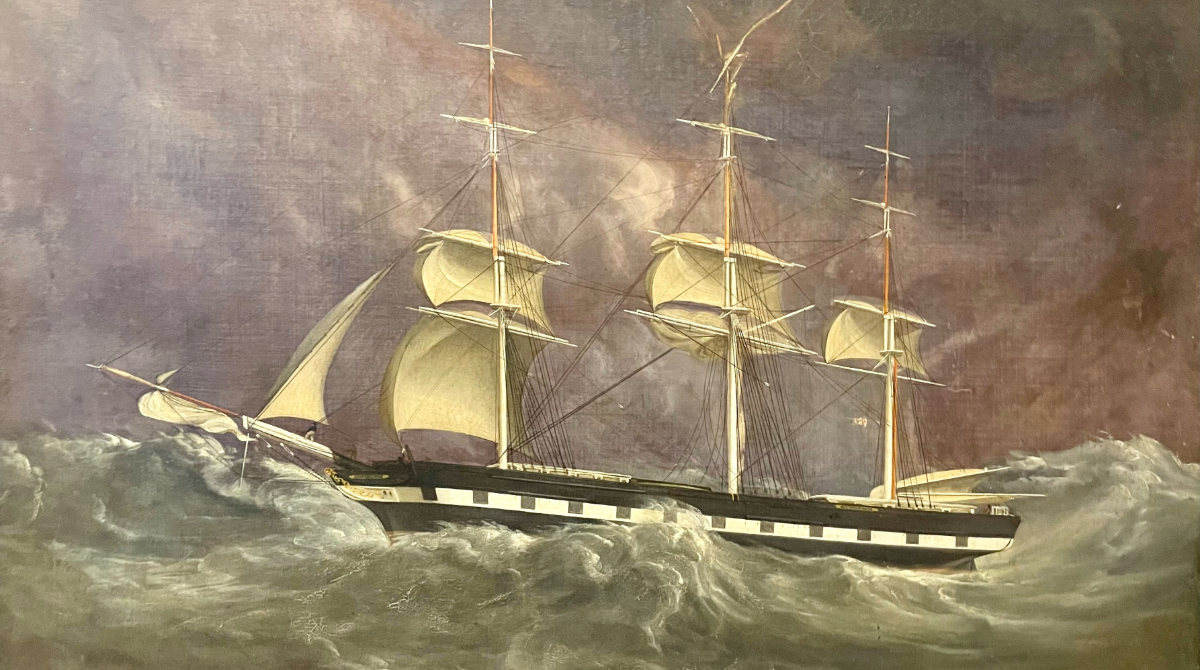
The Ship Huguenot, Capt. Alexander Graves, struck by lightning at sea: June 12, 1846
Oil on canvas. Attributed to Samuel Walters.
On June 12, 1846, Newburyport Captain Alexander Graves was in the mid-Atlantic on his way to Liverpool, commanding the Huguenot. He had been promoted to ship master only two weeks before. The mainmast was struck by lightning, igniting a fire in the ship's hold, which was tightly packed with cotton bales.
Graves quickly turned the ship back to the nearest port - Savannah, Georgia - which was four days away. The crew successfully fought the blaze and arrived in Savannah. Huguenot was repaired, more cotton was loaded, and Captain Graves completed his journey to Liverpool.
Captain Graves returned to Newburyport in October to marry Mary Newton Lunt. As a wedding present, Mary's brother, Captain William Lunt, who was also in Liverpool that summer, commissioned this painting of the Huguenot being struck by lightning
Samuel Walters was one of Liverpool’s most distinguished marine painters.
Gift of Timothy Kendall
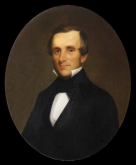
Portrait of Capt. William Graves, Jr.
Portrait of Capt. William Graves, Jr.
Unknown artist
Oil on canvas
1848
Later President of the Newburyport Marine Society and Mayor of Newburyport (1866).
Gift of Douglas Frazier and Timothy Kendall.
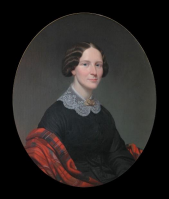
Portrait of Mary Pike
Unknown artist
Oil on canvas
1848
Mary Pike was the wife of William Graves, Jr. She was the daughter Capt. Edmund N. Pike, a sister of Capt. Edmund J. Pike, and the sister-in-law of Capts. Alexander Graves and Edward Graves.
Gift of Timothy Kendall,
in memory of his grandmother Ellen T. Brown (1881-1964)
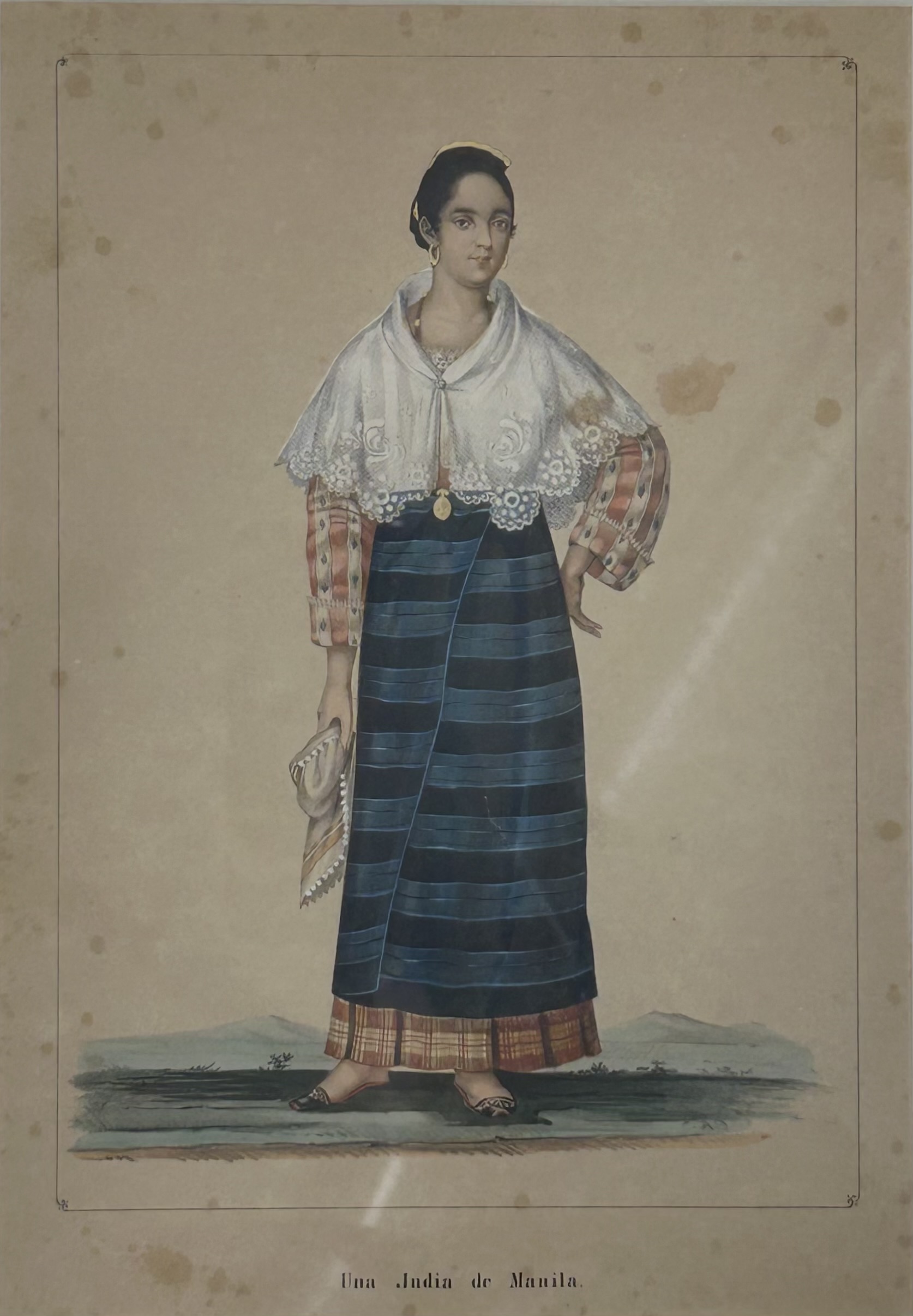
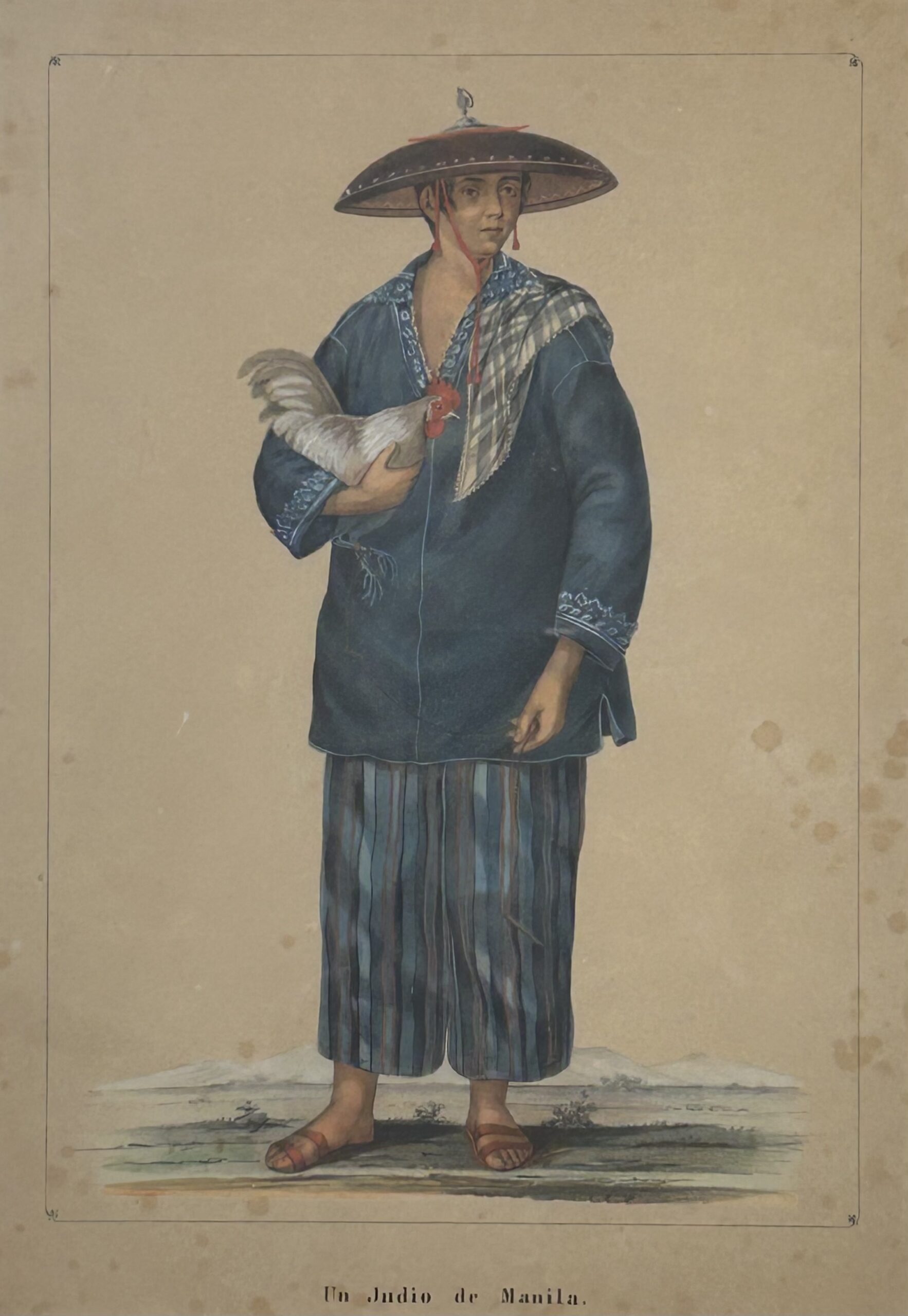
"Indian of Manila” & “Indian Woman of Manila”
Attributed to Carl Johann Karuth (Germany)
ca. 1840s
Color lithographs
Karuth was a German traveler who visited the Philippines in the 1840s. These two lithographs were brought back from Manila circa 1841 aboard the Salem ship Thomas Perkins by Capt. William Graves, Jr.
Gift of Timothy Kendall in memory of his mother Rosamond Brown Howe (1918-2004)
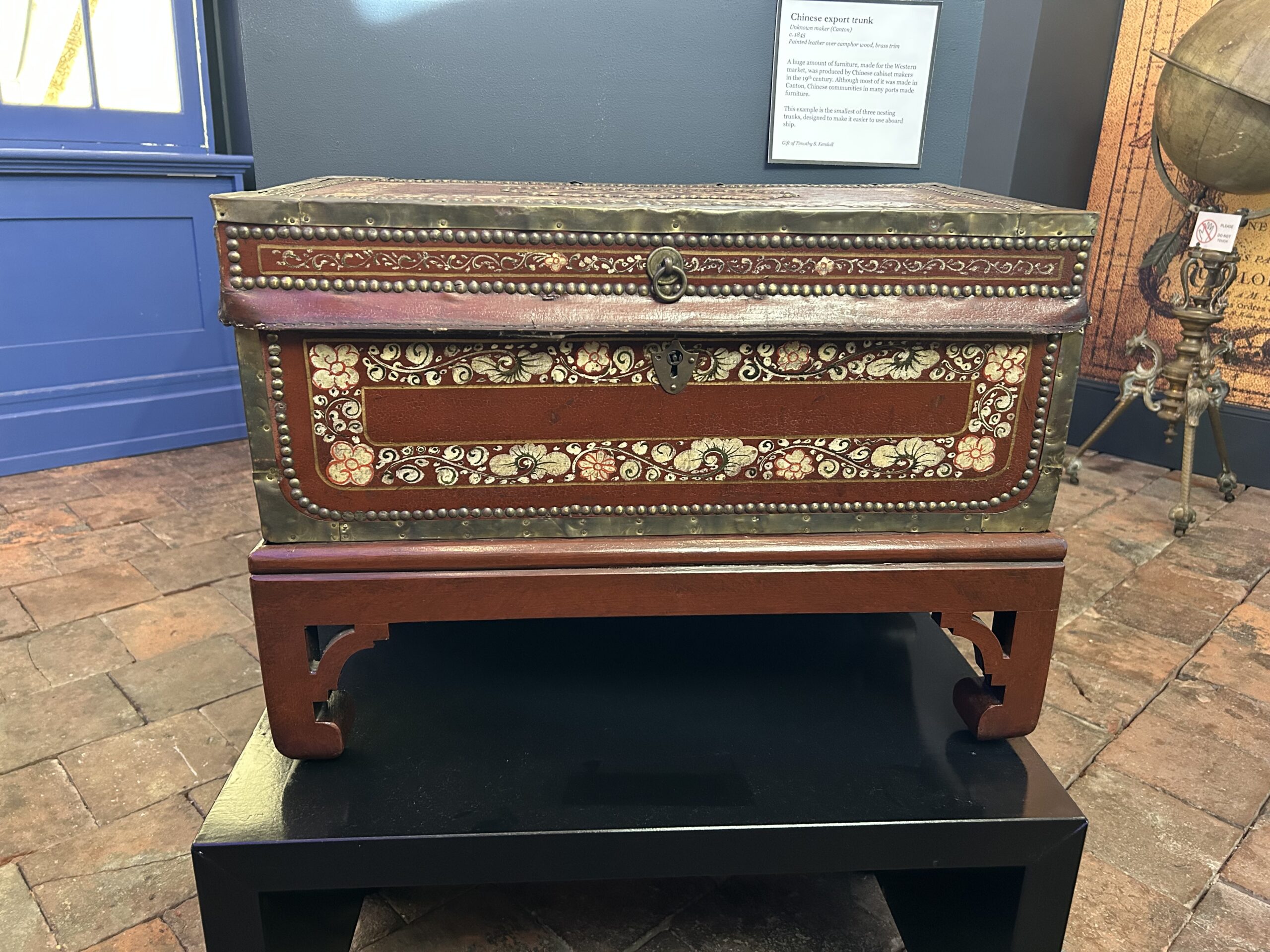
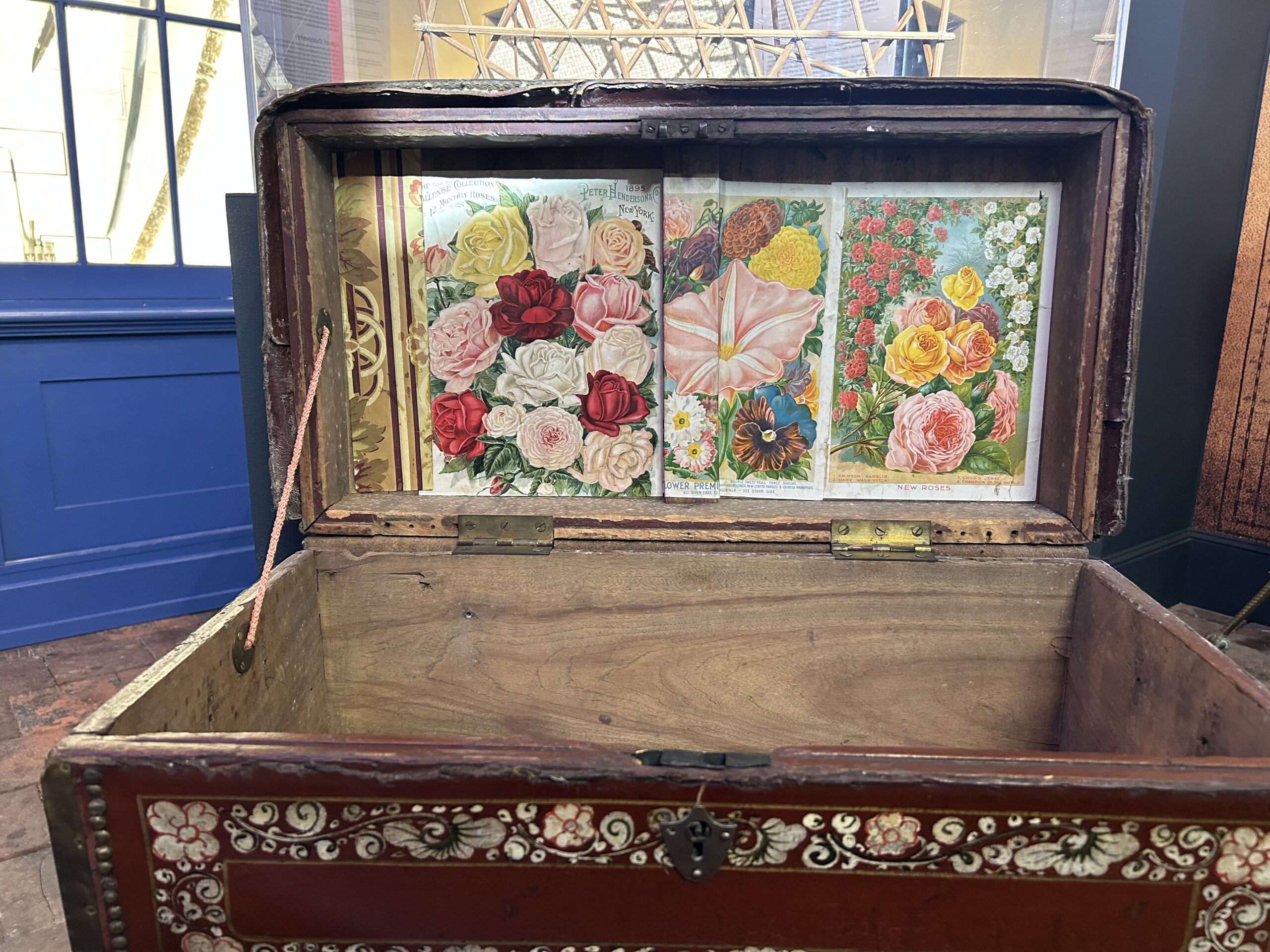
Small painted trunk
Chinese
a. 1820-1840
Painted leather over camphor wood, trimmed with brass and brass tacks
This would have been the smallest of a nested set of three. The trunks were made to fit inside one another so as to take up the smallest space aboard a ship when being brought back from China.
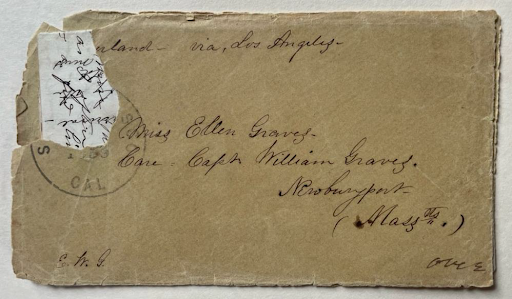
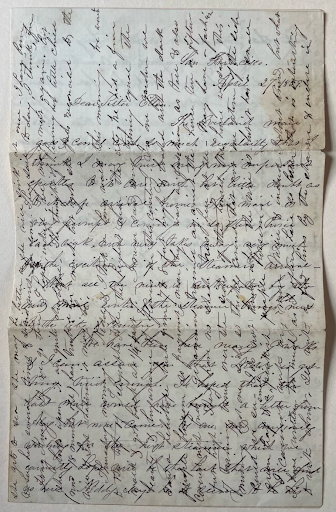
Letter and silver spoon. Letter written from San Francisco on April 27, 1859 by Elizabeth “Lizzie” Wheeler Pike, wife of Capt. Edward “Neddy” Graves, to her sister-in-law Ellen “Nellie” Graves (later Mrs. Albert C. Titcomb), back in Newburyport. When she wrote this letter, Lizzie was traveling around the world with her husband, who was then master of the Newburyport ship Josiah L. Hale. The silver spoon is engraved “To Nellie from Lizzie.” It was made by Moulton Silversmiths in Newburyport. Lizzie gave the spoon to Nellie before leaving on the Josiah L. Hale with her husband.
The envelope was marked “Overland – via Los Angeles.” The stamp was removed by one of the young stamp collectors in the family.
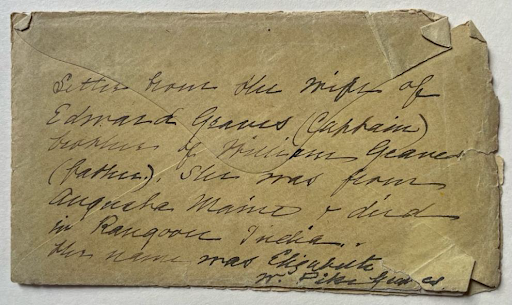
On the back of the envelope, Annie Pike Graves (Mrs. Leander Brown of 290 High Street and the donor’s great grandmother), who was the niece of both Capt. Edward Graves and Ellen Graves, had written:
“Letter from the wife of Edward Graves (Captain) brother of William Graves (father). She was from Augusta Maine & died in Rangoon India. Her name was Elizabeth W. Pike Graves.” (The information was for the benefit of her daughter, my grandmother, Ellen (“Nell”) Brown, who inherited it – and whom she feared would forget who these people were.
To save weight (and expense), the single page of paper was fully written, then turned 90° and overwritten (front and half of the second page only).
Plan Your Visit
Plan Your Visit
- Museum Hours
Thursday - Saturday: 10 am - 5 pm
Sunday: 12 pm - 5 pm
Closed Monday - Wednesday
- Tickets
$8 admission for adults
Optional donation for NBPT residents
Free for kids under 12 and museum members
Cost of admission includes access to the Discovery Center.
- Parking
City parking is available adjacent to the museum. View parking lot directions.